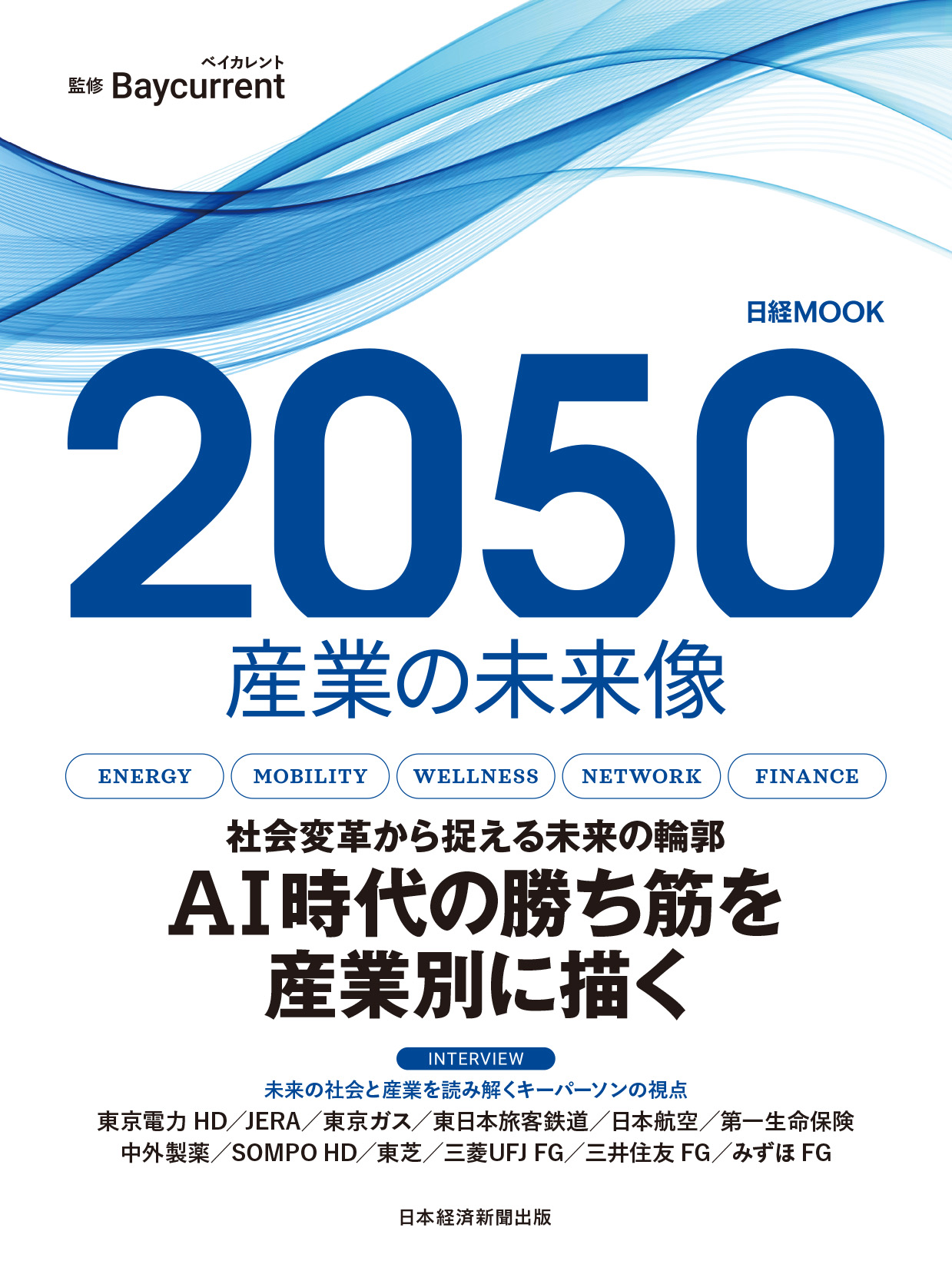
Insights

At Baycurrent, “Baycurrent Institute,” our management research institute, leads the effort to derive insights for society and businesses.
In a rapidly changing world, we delve deeply into key issues and provide knowledge to help companies open the door to the next phase.

Articles

Redefining Japanese Companies’ Energy Chains in Light of the Strait of Hormuz Crisis: Designing Contingency Resilience for an Era of Compound Risks

The peacetime logic of low-cost, efficient procurement transforms directly into vulnerability in times of crisis. The Strait of Hormuz crisis has laid this fact bare, and its essence lies in a structural reality: constraints on fuel itself cause "price" and "supply" to falter simultaneously. For companies, energy is no longer a mere cost item but a strategic foundation that defines business continuity and competitiveness. This article dissects the structure through which energy risks arise and considers the shift in corporate decision-making now required.

View more

The Future of Mobility (The Ideal): What Form of Mobility Does Society Truly Need?

This article examines the ideal vision of mobility as part of a three-part series exploring the future of the mobility industry. Though we appear to drive mobility, we are in fact driven by it.Our values and the very form of our cities take shape in accordance with the specifications of the mobility systems offered to us — and not a few of the resulting arrangements are, at root, deeply skewed. By examining the major modes of mobility — automobiles, railways, aviation, and maritime transport — across sectors, this paper surfaces the distortions embedded in today's systems and articulates the configuration that mobility's future genuinely demands.

View more

The Future of Mobility (Automobiles): Strategic Pathways for Japanese OEMs in an Era of Declining Private Vehicle Ownership

This article focuses on the automobile sector as part of a three-part series exploring the future of the mobility industry. The automotive industry, which has long been built on the assumption of private car vehicle ownership, is now confronting a major turning point. With population decline and the spread of autonomous driving, the once-absolute value placed on private vehicle ownership is beginning to erode, and automotive OEMs are being forced to adopt business structures that differ from those of the past. Building on a forecast of future private vehicle sales volumes for Japanese OEMs, this article explores the potential emergence of new business models in an era of declining private vehicle ownership.

View more

The Future of Mobility (Railway): What Business Transformation Is Required in an Era of Population Decline?

This article focuses on the railway sector as part of a three-part series examining the future of the mobility industry. Japanese railway operators, which have long borne the burden of maintaining and renewing infrastructure, are now being forced to transform their traditional business structures due to declining revenues caused by population decline. Looking ahead to a future of accelerating depopulation, this article explores the business models that railway operators should aim to adopt.

View more

Books

Building a High-Growth Organization

Five Core Principles for Breaking Free from Gradual Decline and Achieving Sustainable Growth (Nikkei BP)

Can an organization transform a state of normalcy into one of urgency? Guided by this question, we analyzed companies that continue to achieve high growth and identified the shared “perspectives, ways of thinking, and behavioral patterns" that underpin their success. We distilled these into what we call the "Five Core Principles".  We then present a change-management approach for embedding these "Five Core Principles" within an organization. In addition, we conducted interviews with thirteen executives to validate the applicability of these principles.

Sharpening the Issues

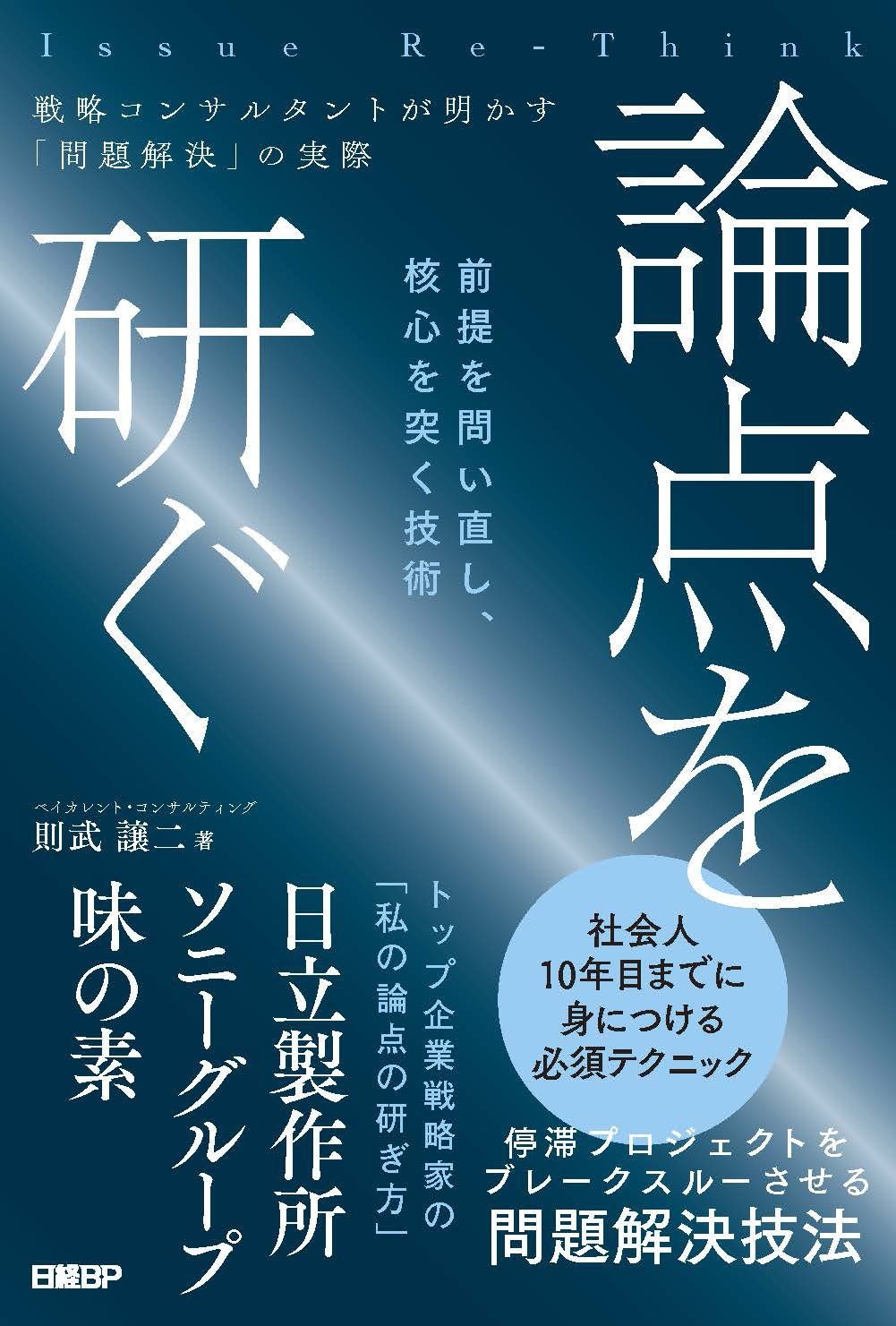
The art of questioning assumptions and getting to the heart of the matter(Nikkei BP)

The key to a breakthrough in a stalled project lies in the “issue setting" of problem solving. Although it is possible to set up some kind of “issue“, the initial point of contention may not always capture the essence of the problem. That is why it is important to keep reviewing and "sharpening" the issues. In this book, we will thoroughly explain the highly difficult process of "sharpening the issues" to find the issues that really need to be solved, along the five steps to do so.

SX Sustainability Management Practice

(Nikkei BP)

Sustainability management is rapidly increasing in importance, and if a company lags behind in SX (Sustainability Transformation), there is a high possibility that the survival of the company itself will be in jeopardy. So how do companies actually proceed? Baycurrent, which has supported SX in many Japanese companies, thoroughly explains specific theory for practicing sustainability management with corporate case studies.

Impressive CX

"10 new strategies" and "7 signposts" for Japanese companies (Toyo Keizai Inc.)

The core of CX (Customer Experience) is to continue to exceed customer expectations, and all companies should aim for CX that impresses their customers. We looked at CX from various angles, such as consumer changes occurring in the modern digital society and discussions that cut from cutting-edge academic research. In addition, it organizes "10 new strategies" and "7 signposts" for Japanese companies to realize Impressive CX, and is a must-read book for all business people