Beyond the Edge
From the front line of change, moving further forward together.

©2024 JUN INOUE

Frontline Insights

Trends in the U.S. MFN Drug Pricing Policy and the Response Required of Japan

The Trump administration is advancing a Most-Favored-Nation (MFN) drug pricing policy aimed at curbing pharmaceutical spending in the United States. The policy benchmarks U.S. drug prices against those of other developed countries (adjusted for GDP per capita) and lowers U.S. prices to the level of the lowest-priced country, with specific price-adjustment mechanisms already laid out. Japan is among the reference countries, yet its drug prices are already low by developed-country standards. As other nations move to mitigate their exposure to this referencing, Japan risks becoming the floor for MFN reference prices unless it reforms its own pricing system—raising concerns of a resurgence of drug lag and drug loss. This paper outlines the structure of the MFN policy and the responses of other countries, and then discusses the measures Japan should take ahead of its next drug pricing system reform.

View more

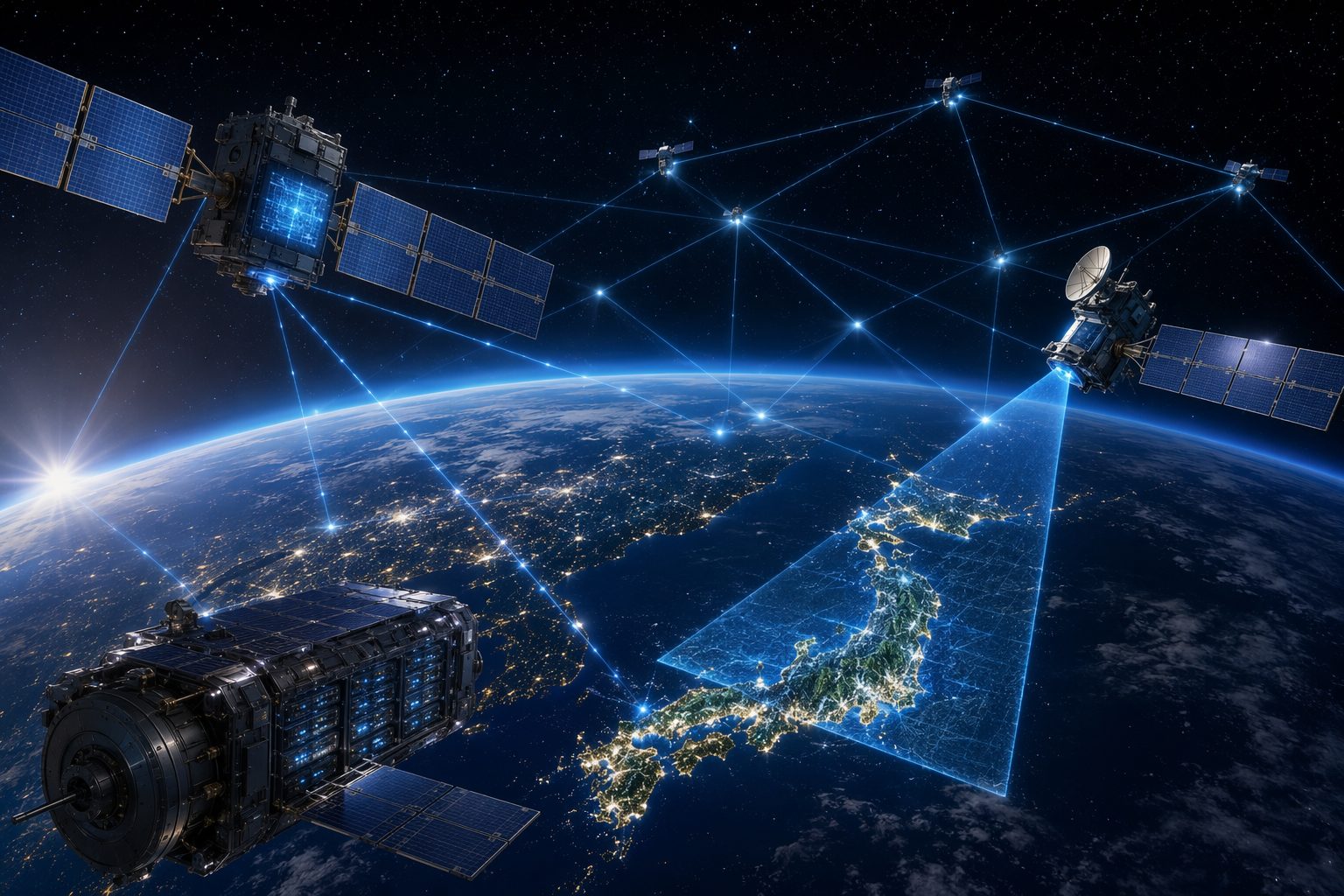
Satellite Data Strategy Bridging National Security and Commercial Space: Rethinking Next-Generation Space Infrastructure in the Japan Aerospace Self-Defense Force Era

Competitiveness in space infrastructure is no longer decided by how many satellites one owns. In the first half of 2026, a rapid succession of developments—the Ministry of Defense's contract for its "Tri-Sat" satellite program, the reorganization into the Japan Aerospace Self-Defense Force, and the selection of J-LEO to carry communications autonomy—moved Japan's space infrastructure from the stage of "concept" to that of "implementation." The real question is who links the information gained from space to decisions, when, and in what order of priority. Drawing on the author's own experience operating satellite communications within the Japan Self-Defense Forces, this article examines the design of a next-generation space infrastructure that keeps national security and commercial space in mutual circulation.

View more

Why Regional Banks Need to Transform — Local Economic Change and the Growing Loss of Visibility into Commerce Flows — (Part 1)

Regional banks in Japan face structural challenges: shrinking local economies driven by population decline, prolonged pressure on interest margins, and declining visibility into commerce flows as payments and customer touchpoints shift to external platforms. Traditional banking models reliant on financial statements and ex-post transaction data are increasingly unable to capture real-time local dynamics or provide practical, high-value client support. One potential lever is the combination of BNPL (Buy Now, Pay Later) services and advanced data analytics. This paper examines local economic contraction and the information-infrastructure constraints facing regional banks, with particular attention to the structural problem of limited commerce-flow visibility.

View more

Transformation and Future Vision of the Electric Power Industry Looking Ahead to a World After the End of Carbon Neutrality Momentum — Part III

In Part I, we presented the results of an estimate indicating that electricity demand in 2050 could reach 1.5 times the current level. In Part II, we focused on next-generation nuclear power as a key technology for providing the supply capacity needed to meet that demand, and examined the challenges involved in promoting it as well as possible solutions. In this final installment, we frame the coming era—when the wave of carbon neutrality (CN) investment has run its course and CN is no longer the top priority—as the "world after the end of CN momentum." We then identify the social demands the industry will face in that era and consider what kinds of strategies can spare the industry future rework.

View more

Careers

Discover Baycurrent