Transformation and Future Vision of the Electric Power Industry Looking Ahead to a World After the End of Carbon Neutrality Momentum — Part II
June 2026
Senior Expert
Shigeki Okuyama
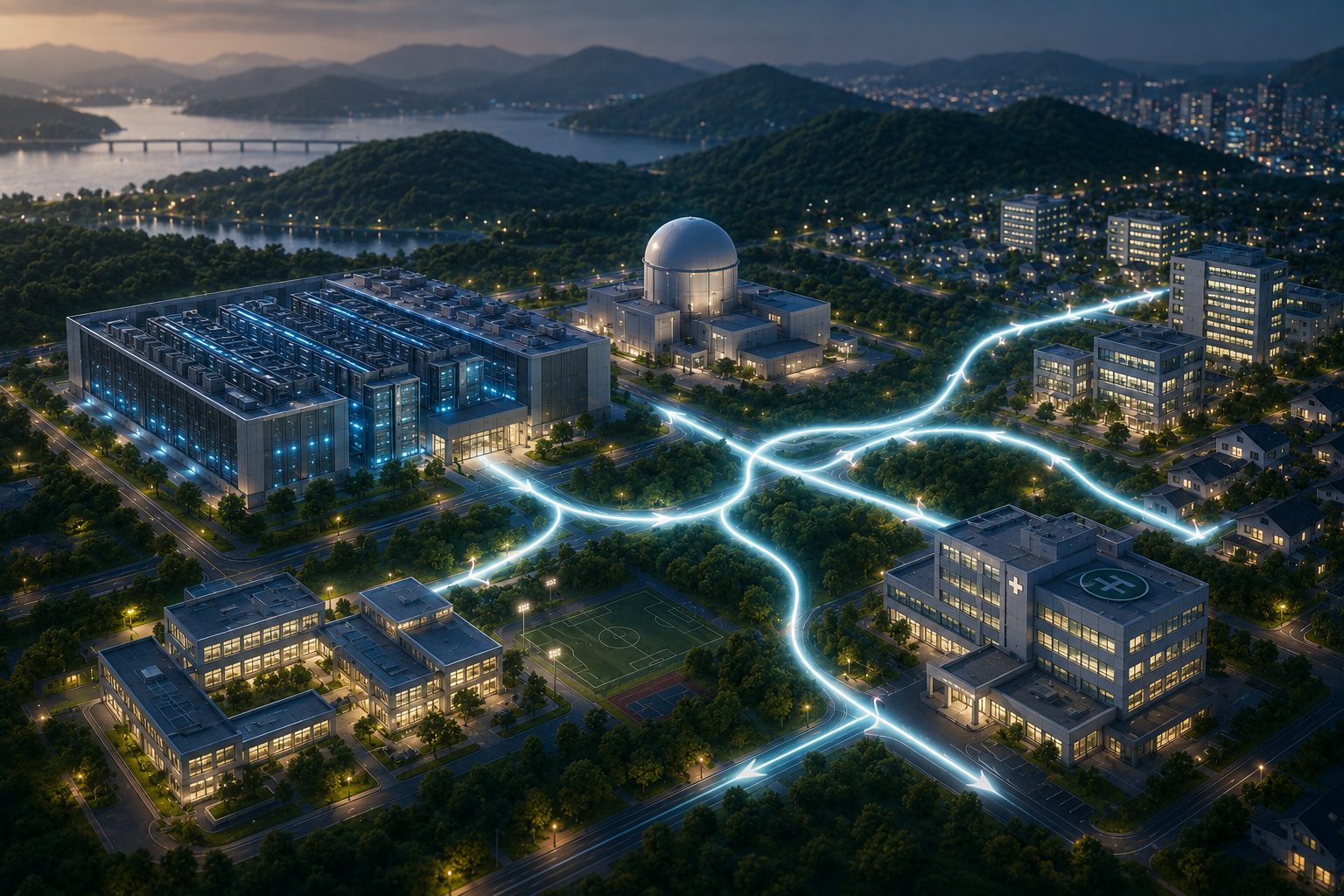
In Part I, we presented the results of an estimate indicating that electricity demand in 2050 could reach 1.5 times the current level, and examined the power generation mix that could meet such demand. The analysis confirmed the reality that even if renewable energy and thermal power generation were utilized to their fullest extent, around 40% of total electricity demand would still remain unmet, meaning that nuclear power would inevitably have to play a substantial role. In this second installment, we summarize trends in new technologies that address the greatest challenge facing nuclear power—safety—and examine the issues surrounding the promotion of nuclear power, as well as possible measures to resolve them.
Next-Generation Nuclear Power: Overcoming the Greatest Challenge of Safety
As discussed in Part I, strengthening electricity supply must simultaneously achieve “S + 3E,” the fundamental principle of Japan’s energy policy.
Nuclear power has extremely strong capabilities with respect to the “3E” elements.
The first E, Energy Security, refers to stable supply. Nuclear power has the advantage of extremely high energy density, generating large amounts of energy from small quantities of fuel. In addition, because nuclear fuel can be stockpiled over long periods, it offers exceptionally high resilience against risks such as disruptions in fuel supply.
The second E, Economic Efficiency, refers to…
To read the full text, please download the PDF.
DownloadPDF(1.39 MB)