The Japanese Chemical Industry: The Dawn of the Second Phase of Reorganization
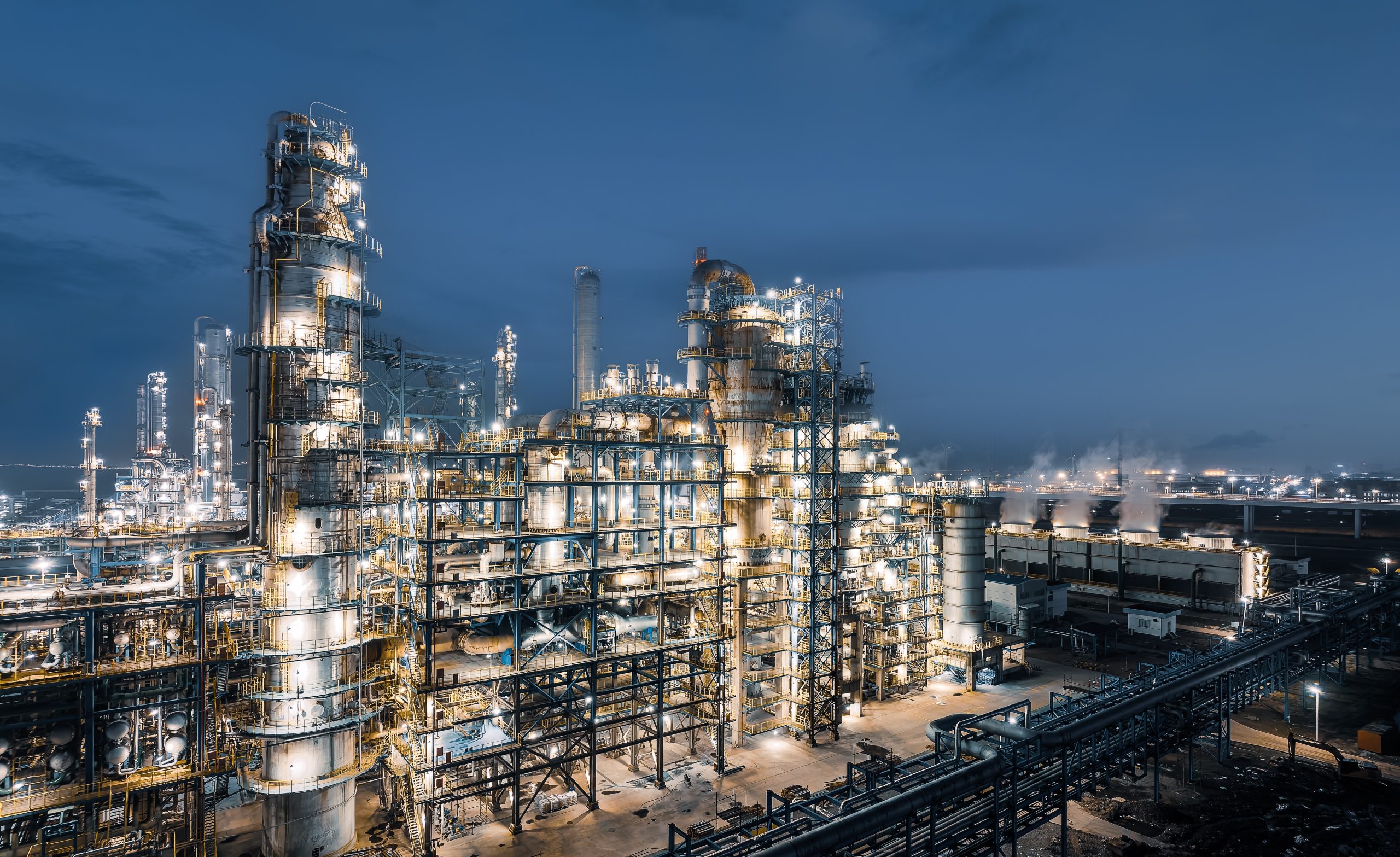
Among Japan’s manufacturing sectors, the chemical industry is one of those undergoing particularly dramatic transformation.
Employing approximately 960,000 people and generating around JPY 51 trillion in domestic shipment value (as of 2022), the chemical industry accounts for roughly 14% of total manufacturing shipments, making it one of Japan’s largest industrial sectors. Positioned upstream in industrial supply chains, it plays a critical role with wide-ranging ripple effects across virtually all manufacturing industries.Now in this industry, what can be described as the industry’s “second phase” of reorganization is unfolding.
The "first phase" of industry reorganization progressed from the 2000s through around 2020. A notable milestone was the 2017 merger of Mitsubishi Chemical, Mitsubishi Plastics, and Mitsubishi Rayon—companies that had been moving toward integration since the 2000s—resulting in the formation of Mitsubishi Chemical Corporation. In 2019, DIC moved to acquire the pigment business of Germany-based BASF, and in 2020, restructuring efforts continued with the integration of Showa Denko and Hitachi Chemical. These initiatives primarily aimed at horizontal integration within the same industry and expansion of scale, emphasizing quantitative growth along with rationalization and efficiency improvements. By contrast, the essence of the "second phase" of reorganization lies in the pursuit of business portfolio selection and consolidation, rebuilding organizational structures around business domains with stronger competitive potential.
Another defining characteristic is that reorganization is not occurring uniformly across the entire chemical industry; rather, distinct patterns are observed at different tiers of the supply chain (see Table 1).
This paper seeks to…
To read the full text, please download the PDF.
DownloadPDF(1.43 MB)